Related: How to Use a Massage Gun Without Bruising Yourself
A deep tissue massage gun is a recovery and warmup tool, not a treatment device. It doesn't fix anything. What it does is move blood through a muscle belly so your body can do the fixing, and that distinction is why so many people buy the wrong gun. They buy the one with the biggest RPM number printed on the box, use it twice, and leave it in a drawer next to the ab roller.
I'm a physical therapy assistant in Denver. I've spent eight years in a sports rehab clinic working with everyone from pro cyclists to weekend warriors coming back from crashes, and I ride enduro mountain bikes on my own weekends, which means I spend a lot of Sundays negotiating with my quads. I've watched a cheap gun stall out on a patient's hamstring mid-session, and I've watched an expensive one rattle a rider's hand numb. The specs that matter are stall force and amplitude. Almost everything else on the box is marketing.
The four guns below are the ones I'd actually put in front of someone this year, from a pocket-sized mini to a heated model with a full head kit. Here's who each one is for, and what to check before you keep it.
Best Value: cotsoco 20-Head Massage Gun Set
The cotsoco set is the one I recommend most often to people who want a real recovery tool without paying flagship money. You get 9 modes and 9 intensities, plus a 20-piece head kit. That head count sounds like a gimmick until you actually start using one. Here's the truth about heads: you'll use four of them. The round ball for big muscle bellies, the flat one for the back and quads, the fork for the muscles running beside the spine, and the bullet for tight spots in the calves and forearms. The rest are for feet, or for looking impressive in a product photo.
What makes this the value pick is the combination of intensity range and head selection at this price. Nine intensities means you can start low on a tender area and work up, which matters if you're new to percussive therapy. Start at one. Most people start at five and then wonder why they're sore the next day.
It's also positioned as a gift, which tells you something about who it's built for. If you're buying for a parent or a partner who sits at a desk all day, the range of heads is genuinely useful, because neck and shoulder work uses different attachments than leg work.
Here's what I'd want you to check before you commit: stall force, the number most budget listings never publish. Press it into your quad on the highest setting during the first week. If the stroke keeps thumping, keep it. If it flattens out into a buzz, return it. That's the test, and it's the same test I run on every gun I pick up.
Most Power for the Money: 20-Head Massage Gun with 50KG Force
This is the gun I'd point a cyclist or a lifter toward. It's listed at 50KG of force with 30 intensity levels across 3 modes, and it's the only gun in this group that advertises a force figure at all. That matters, because force is the spec that separates a massage gun from a buzzer. A gun that can't hold its stroke when you lean into a quad is a vibration plate with a handle.
Thirty intensity levels sounds excessive, and honestly it is. You'll live between three and eight, and you'll visit the top end maybe twice. But granularity at the low end is genuinely useful, because the difference between level one and level three is the difference between a gun you can use on your neck and one you can't.
The motor is described as noise-free, which no motor is. What that claim usually means is that the housing and internal dampening got some attention, and in practice that's the difference between a gun you use while watching TV and a gun you use with headphones on. Noise is not a luxury spec. If a gun is too loud to use, it's a paperweight, no matter what it cost.
It's portable, it takes the standard 20-head kit, and at this price the real question isn't whether it's good enough for light use. It's whether the force claim holds up under a hard press. That's what your first week is for.
Best Travel Pick: Jancane Mini Massage Gun
Every recovery setup needs a small gun. The Jancane Mini is that gun here: six speeds, four heads, and a body that fits in a jersey pocket or a carry-on. I keep a mini in my pack for exactly one purpose, and it isn't deep tissue work on my quads. It's the twenty minutes after a ride when my calves and forearms are locked up and I don't want to drag the full-size gun out of the truck.
Minis trade amplitude for size. That's physics, not a knock on this one. A short stroke doesn't reach deep into a big muscle belly, so a mini is the wrong tool on a heavy squat day and the right tool for neck, forearms, calves, and feet. Used that way, it earns its spot.
It's also the one I'd hand to someone who has never touched a percussion massager, because six speeds is a manageable number and the quiet operation means you can use it at a desk without becoming the least popular person in the office. It's marketed toward athletes, office workers, and parents, and that's the correct audience.
It's also the cheapest way to find out whether percussive therapy does anything for you at all. If you use it four times in the first two weeks, buy a bigger gun. If it lives in a drawer, you saved yourself the price of a bigger gun.
Best for Warmups: Lifepro Sonic LX Percussion Massage Gun
The Sonic LX is the premium pick of the four and the only one with heat, plus a 10-head kit. Heat is the feature I understand best in a cold-weather state. On a 35-degree morning at the trailhead, a warmed head on my calves before the first climb does more for me than any intensity setting on the dial. That's a warmup function, not a treatment, and I'd keep it in that lane.
Here's my honest caveat, and it's the same one I give patients. Guns in this class are fine for light use, and their stall force tends to collapse when you press down hard. If your routine is fifteen relaxed minutes on your neck and shoulders, that's a non-issue. If you're a heavy lifter who wants to lean into a quad, it's the entire issue.
The heat and the head selection are real value, and the ten heads cover more body parts than the four you'll actually use. The deep tissue claim is the part I'd verify inside the return window. Buy it if you want heat, a full head kit, and a name you recognize. Don't buy it expecting the deepest stroke in this group, because the cheaper gun with the published force figure is the one I'd trust under pressure.
How I judge a massage gun
Five things, in this order.
Stall force first. That's how much pressure the motor takes before the stroke stops and the gun turns into a buzzer. A gun that stalls the moment you lean in is useless on a real quad, no matter how many modes it lists.
Amplitude second. That's stroke length in millimeters, how deep the percussive thump goes. Short stroke guns are surface tools. Long stroke guns do deep tissue work.
Noise third, measured at the speed people actually use, not the lowest setting the brand wants to brag about.
Battery fourth, judged across a week of twenty-minute sessions rather than a lab number on the box.
And fifth, the question I ask about every tool I hand a patient: would I give this to someone recovering from a crash? That's the test.
One more thing, and it isn't a disclaimer, it's anatomy. Muscle bellies only. Never bone, never joints, never the spine. And I recommend guns for recovery and relaxation, never for treating pain or an injury.
What the specs on the box actually tell you
RPM is marketing printed in big numbers. Strokes per minute mean almost nothing without amplitude behind them. A gun can list an enormous RPM figure and still have a short, shallow stroke that does nothing for a hamstring.
Intensity levels are the same story. Nine, thirty, whatever the number is, what matters is where the low end starts and whether the top end holds under pressure. A wide range is nice. A stable range is essential.
Head count is mostly packaging. Four heads cover the body. Twenty heads cover the body plus a drawer full of duplicates. Where a big kit helps is if two people share the gun, because you can keep a dedicated head for feet.
Heat is a warmup feature and a good one, especially in a cold climate. It is not a treatment.
And "therapy-grade" on a box with no published stall force is my least favorite phrase in this category. If a listing won't tell you how much force the motor holds, that silence is information.
Massage gun comparison table
| Massage gun | Heads | Levels | Extras | Best for | Price |
|---|---|---|---|---|---|
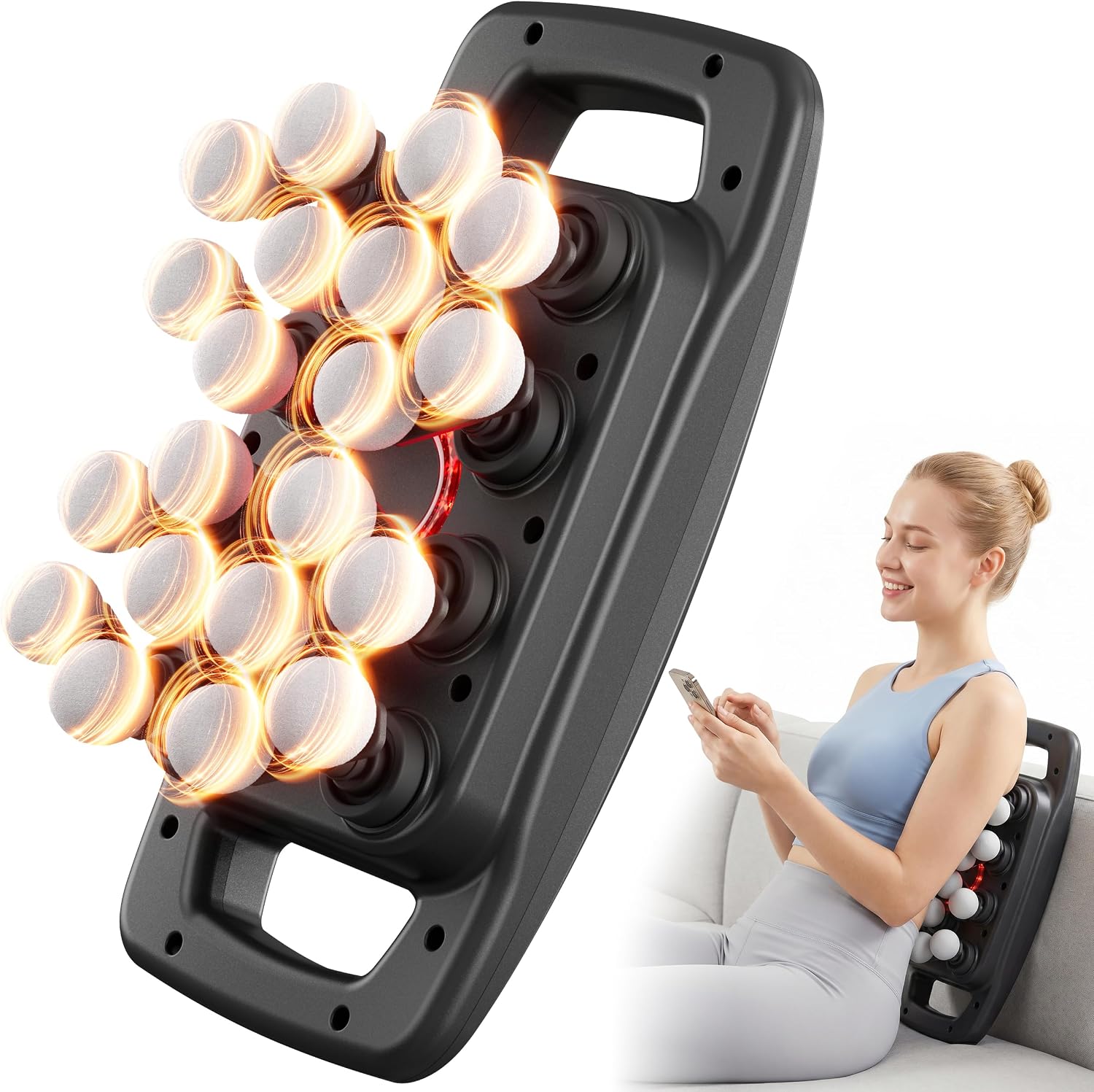 Visit on Amazon → cotsoco 20-Head Set |
20 heads | 9 modes, 9 intensities | Deep tissue percussion kit | Best value overall | $39.99 |
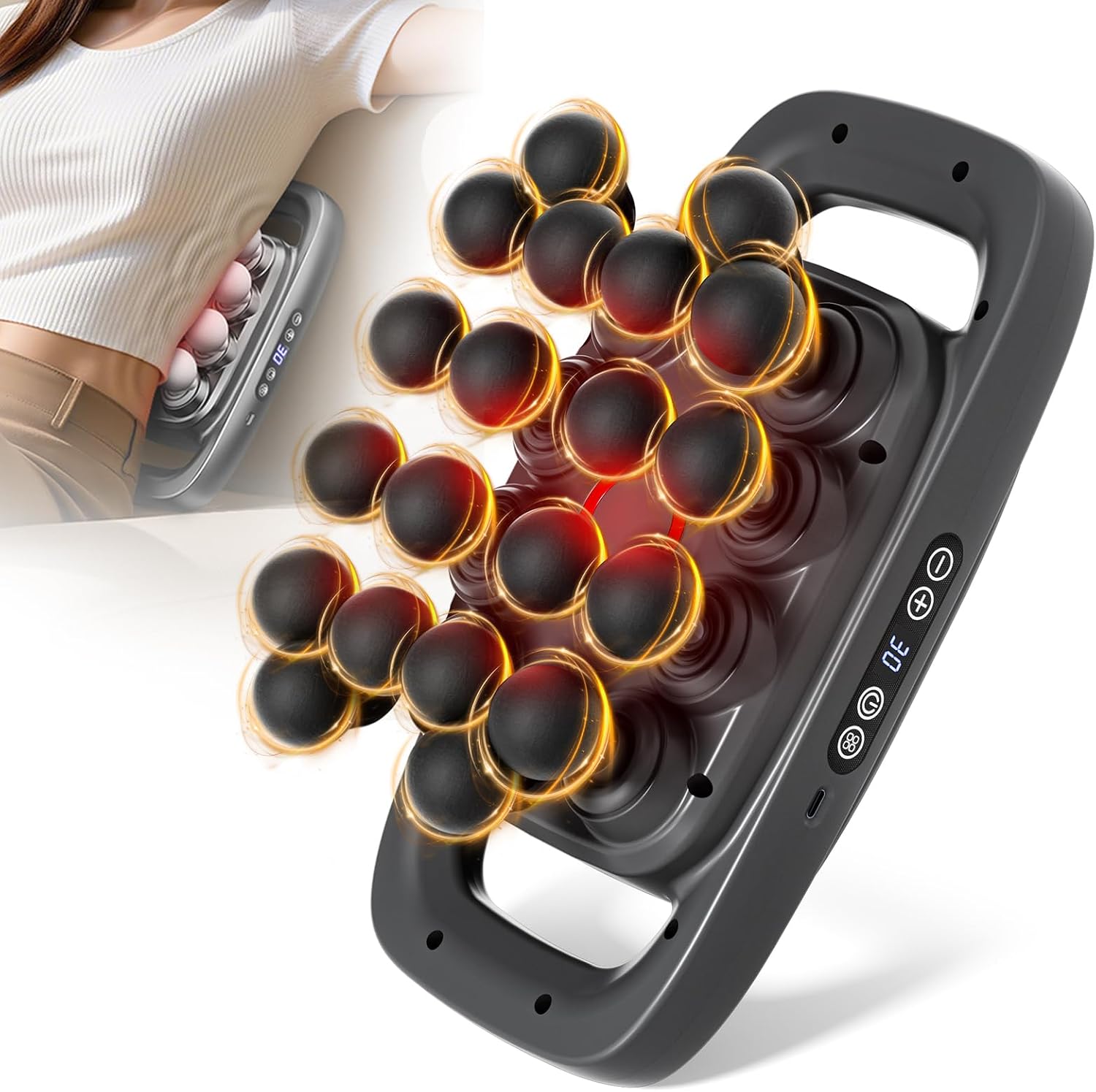 Visit on Amazon → 20-Head Gun with 50KG Force |
20 heads | 3 modes, 30 intensity levels | Published 50KG force, noise-free motor claim | Best for deep pressure | $59.99 |
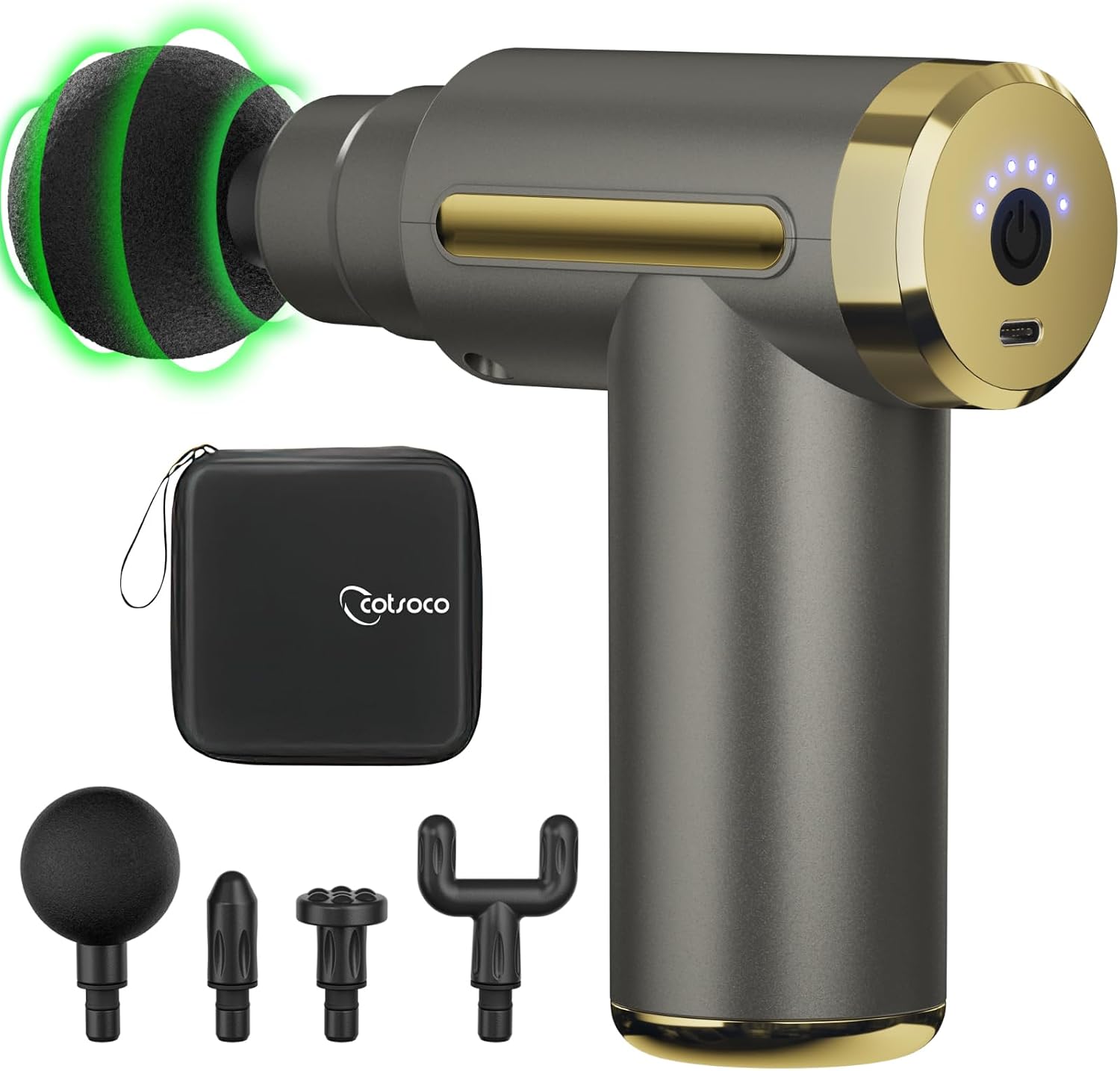 Visit on Amazon → Jancane Mini |
4 heads | 6 speeds | Super quiet, pocket size | Best travel pick | $18.99 |
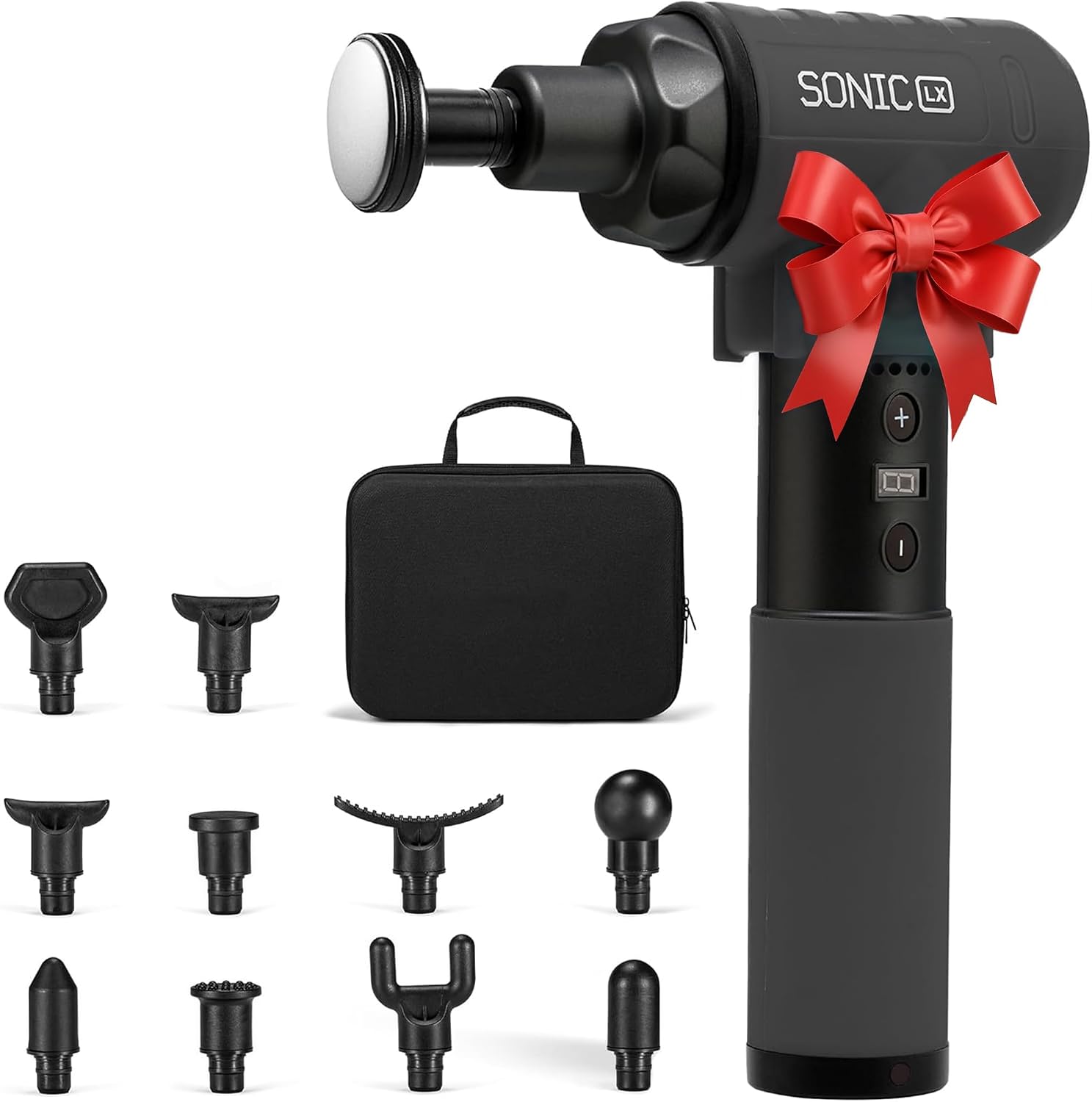 Visit on Amazon → Lifepro Sonic LX |
10 heads | Not published | Heat | Best for warmups | $119.99 |
Should you buy the cotsoco 20-Head Massage Gun Set?
Yes, if you want one gun that covers the whole body without flagship money. Nine modes, nine intensities, and a head for basically every muscle group. The low end of the intensity range is usable on a neck, which is more than I can say for a lot of budget guns.
What I'd watch: press-test it on a quad in the first week and confirm the stroke holds. If it does, this is the gun I'd hand to most people.
Should you buy the 20-Head Massage Gun with 50KG Force?
Yes, if your recovery work happens on big muscle groups. It's the only gun here that publishes a force figure, and the 30-level dial gives you fine control at the bottom of the range, which is where beginners should live anyway.
If you're a rider, a lifter, or anyone whose quads and glutes take a beating, this is the one I'd start with.
Should you buy the Jancane Mini Massage Gun?
Yes, as a second gun. It's the one that actually travels, the one that's quiet enough for a desk, and the one I'd give to someone who has never used a percussion massager.
Just don't expect it to do the work of a full-size gun on a heavy quad. Minis are for calves, forearms, neck, and feet, and they're very good at that.
Should you buy the Lifepro Sonic LX?
Buy it if heat is what you're after and you want a full head kit in the same box. A warmed head before a cold morning ride is a genuinely good feeling, and the ten-head set covers feet, back, and shoulders without swapping anything in.
If you want deep, load-bearing percussive work on big muscle bellies, spend your money on the gun with the published force figure instead. Match the tool to the job, then go ride.